
Folks ask us all the time what the secret is. After eighteen years on Macon Street, a World Burger Championship in 2018, a fourth-place finish the next year, countless awards, and enough melted cheddar to make Ike himself blush, I can tell you there is no one secret. There is a lineup. Meat. Patty. Heat. Bun. Stack. Seasoning. Sauce. Miss a spot and the whole number falls off the charts. Nail it, and you are cookin’ with gas.
“The Fifties never tasted better.” That is not a slogan we borrowed. That is the assignment.
(Note: Speaking of awards…Click here to vote for Best Hamburger in Henry County)
1. Start With the Meat, Not the Movie Poster
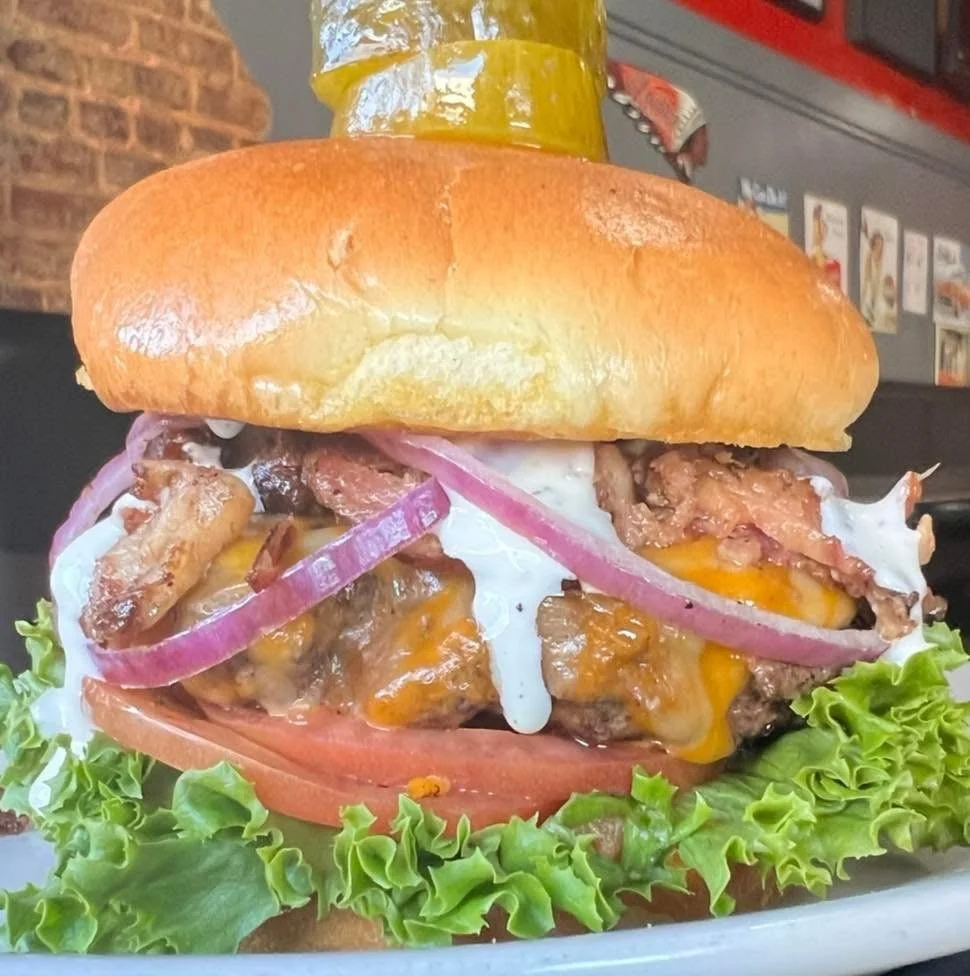
Marilyn gets the lights. Joe DiMaggio gets the headlines. The burger still starts with beef. Fat is not the enemy. Fat is the burger. Walk past the 90/10 like it is a square at the sock hop and grab the real McCoy.
80/20 is the house beat for pub burgers. Juicy, holds together, browns like a Saturday night.
75/25 is extra juicy but wants to fall apart. That is smash-patty territory — the Smash Detective’s world.
90/10 is too dry. Even The Duke would walk off that set.
Specialty blends can be dreamy to eat. Bacon-blend, short rib, brisket, ground ribeye — swell if your butcher is the real deal. They also cost more. If you go that route, still chase the fat. A fancy grind that is too lean is just an expensive dry burger in a leather jacket.
Grind matters. We like a finer grind for a pub-style patty that seals at the edges and does not crumble when the ticket rail gets loud. Coarse grind is tough to swallow. It cooks unevenly, has more gristle, and falls apart like a B-movie plot. Save coarse for chili. Give a burger something that will hold when Old Blue Eyes starts singing.
First tip from Cooking Tip, Part 1, and I still mean it: always use 80/20 for a pub burger. They turn out juicy and not too lean.
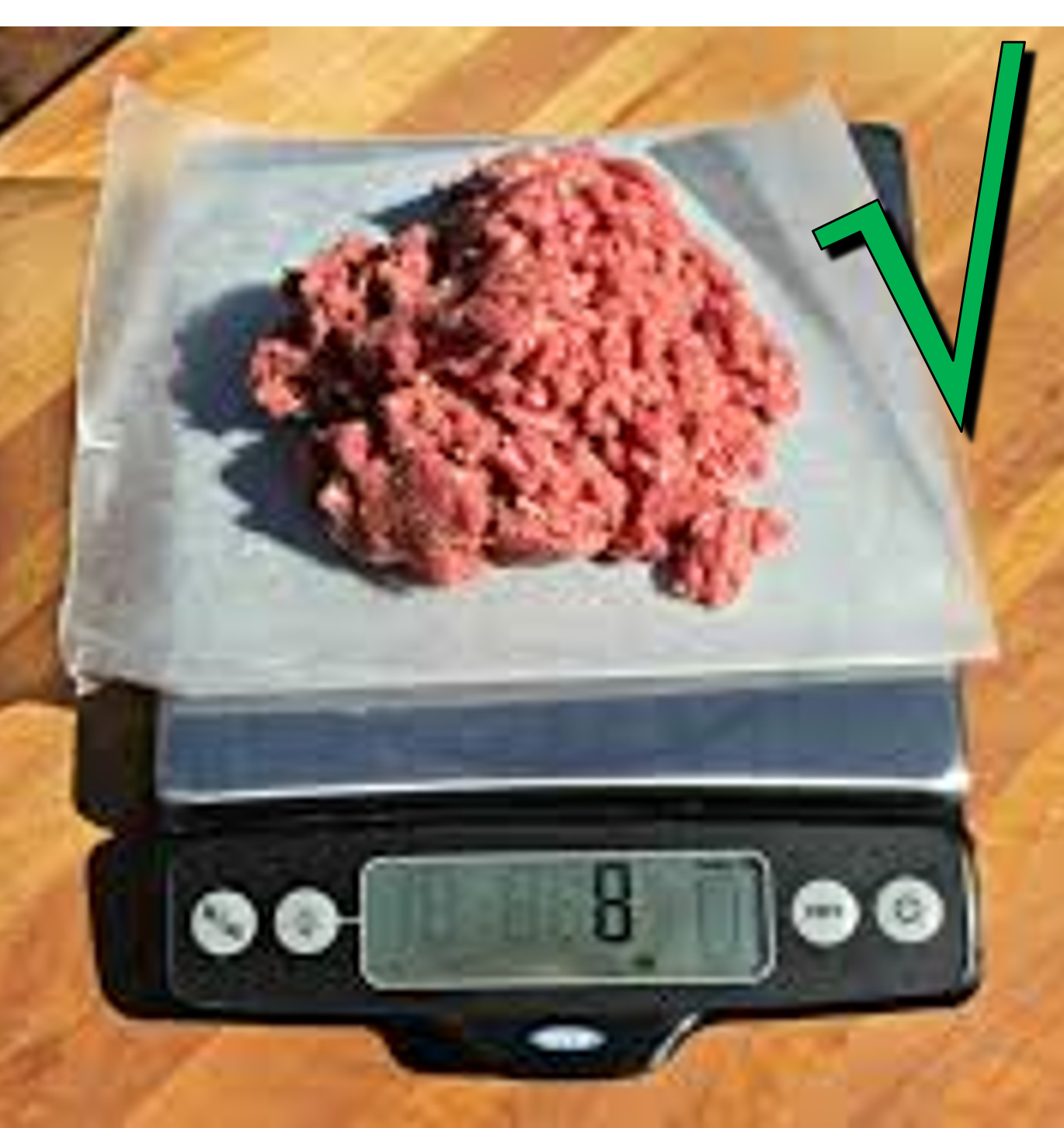
One more thing the squares get wrong: they salt the mixing bowl and mash the beef like meatloaf. That packs the protein, and you end up with sausage. Season the outside of the formed patty. Salt, pepper, and garlic work great. Weigh the portions. A scale is how Ike’s “I Like Cheese” tastes like Ike’s every single time, not like a different president depending on who is on the board.
2. Patty Making 101, Starring the Smash Detective and the Pub Crowd
This is the unglamorous reel. No Marilyn. No jukebox. Just you, a ball of beef, and a decision: are you making a Smash Detective, thin and crusted and a little dangerous, or a pub patty with some presence — the kind that can wear pepper jack, pulled bacon, and onion rings without losing its nerve.
The house rules
DO weigh them. Guessing leads to one burger being a Lil Champ, and the next one being a doorstop.
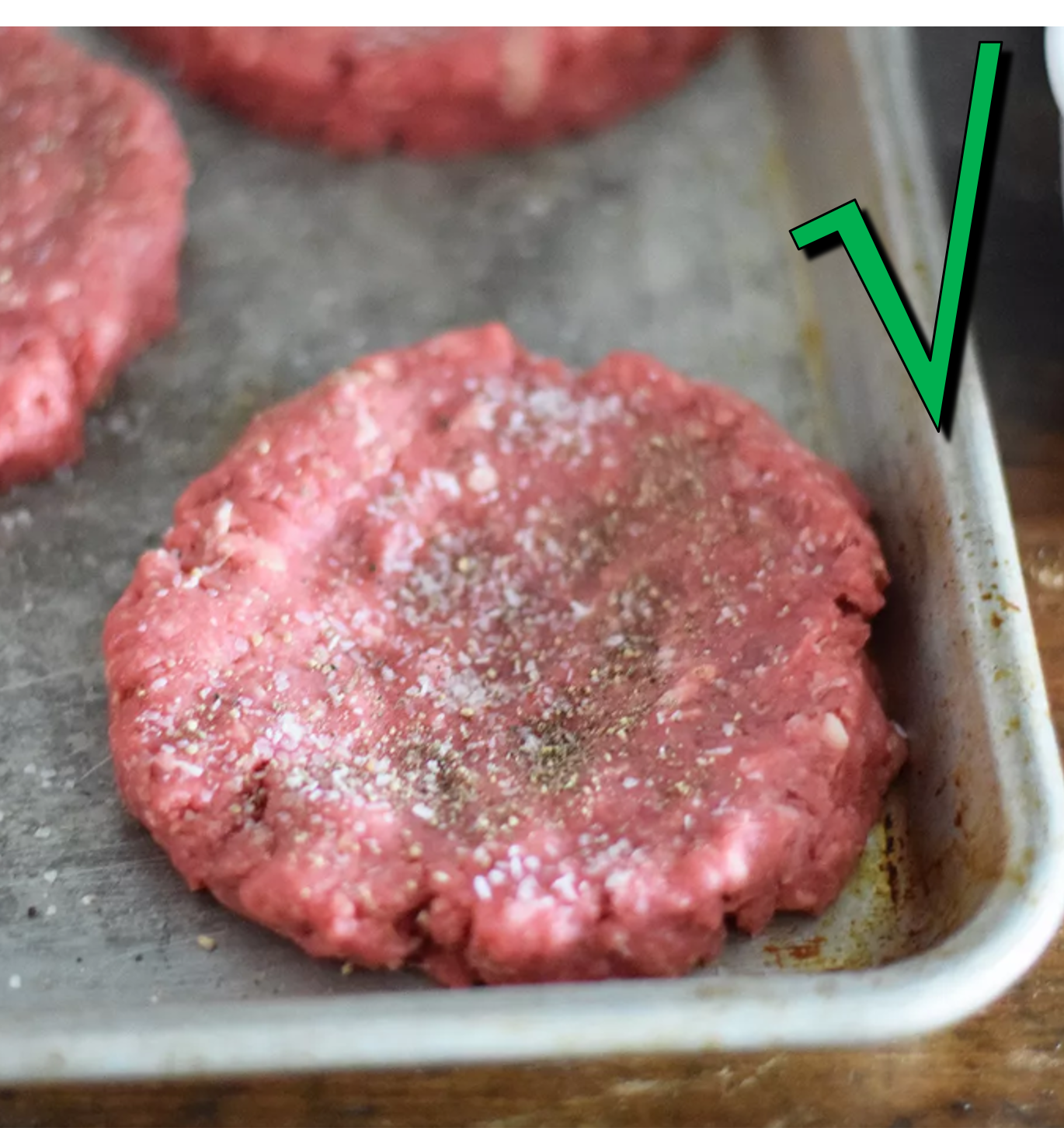
DO season the outside. Once it’s inside the meat, you can’t unsalt too salty.
DON’T pack too loose, as if it just came out of the package. It crumbles before the first chorus.
DON’T “over-pat.” That tight gray hockey puck in class — the one too dense to eat — is a cautionary tale. Over-patting is how a cool cat turns into a square.
Keep the grind loosely packed. Then seal the edges so it does not break when it hits the flat top. Loosely packed, finished at the rim. That is the feel.
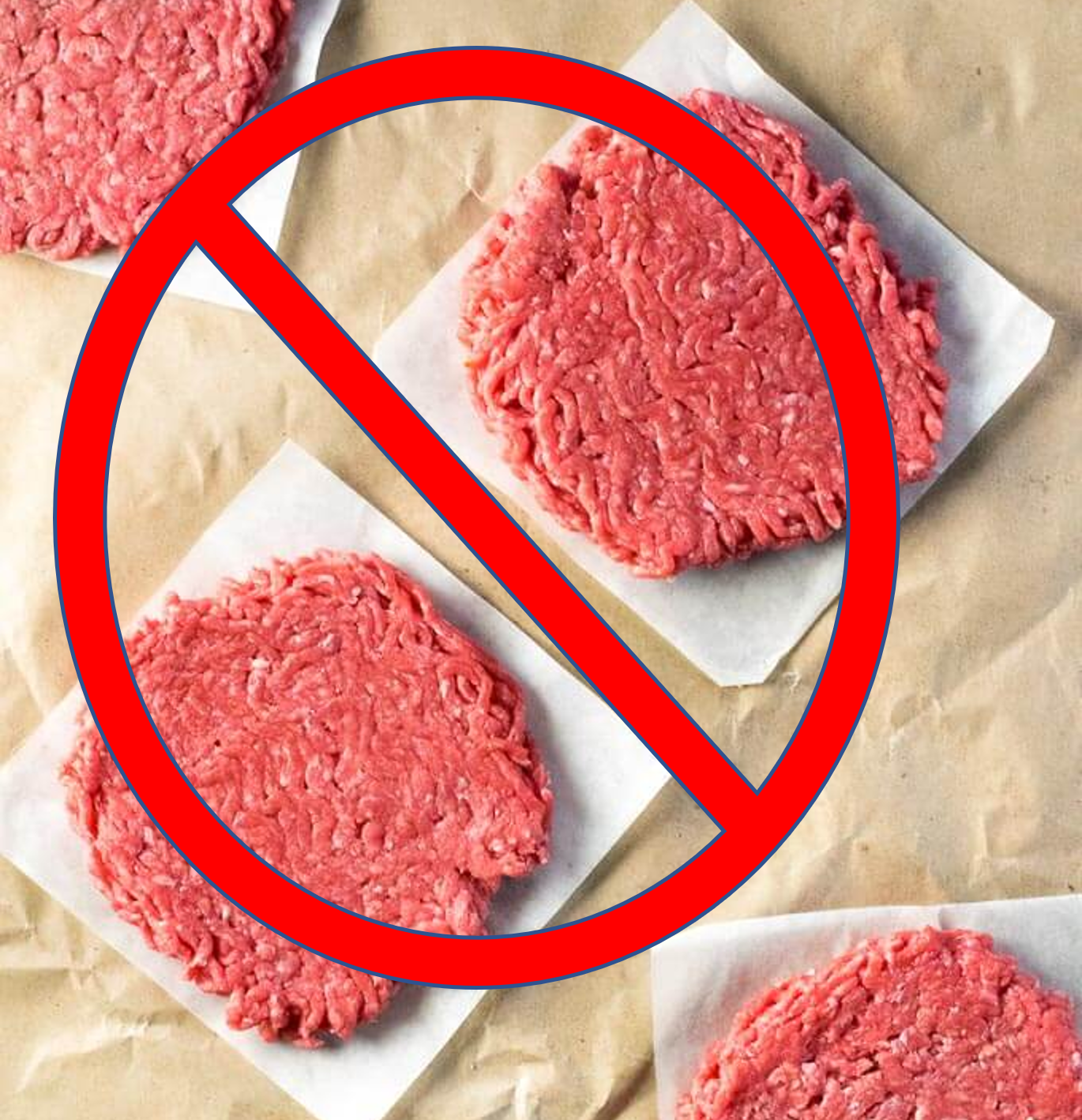
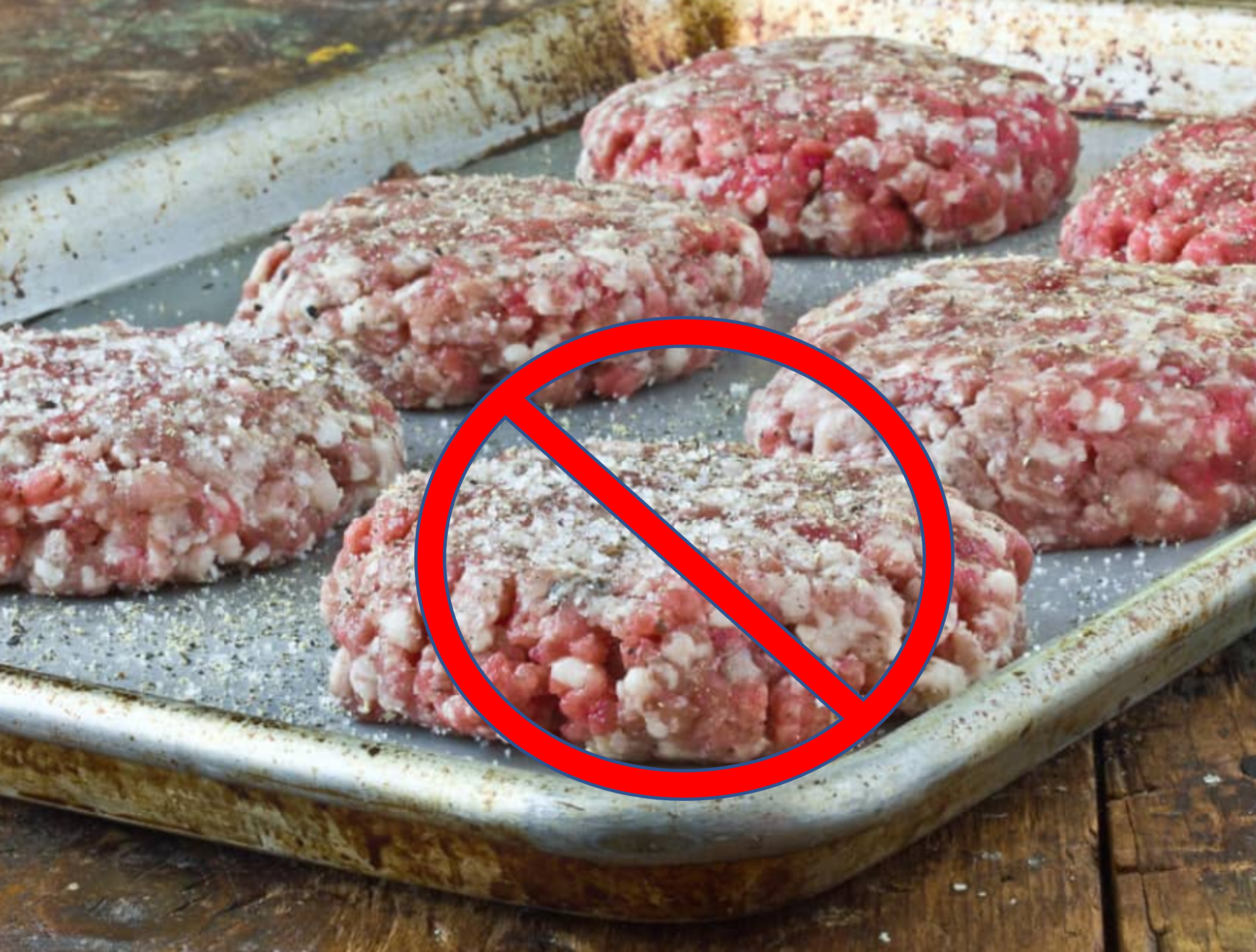
Keep it flat, doll
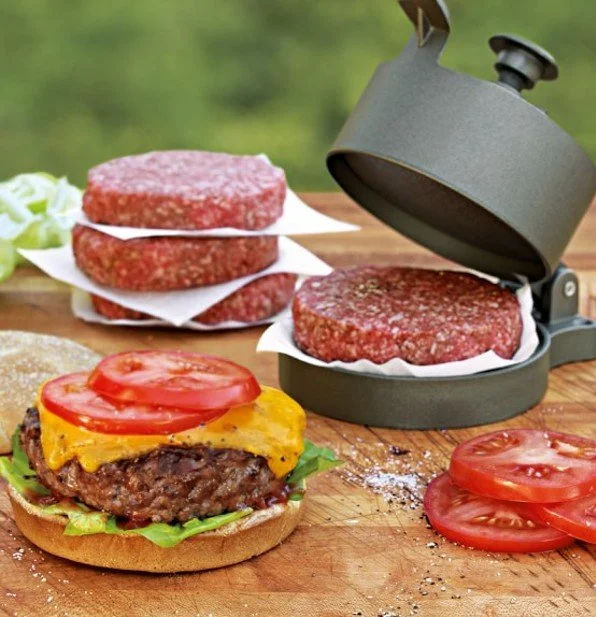
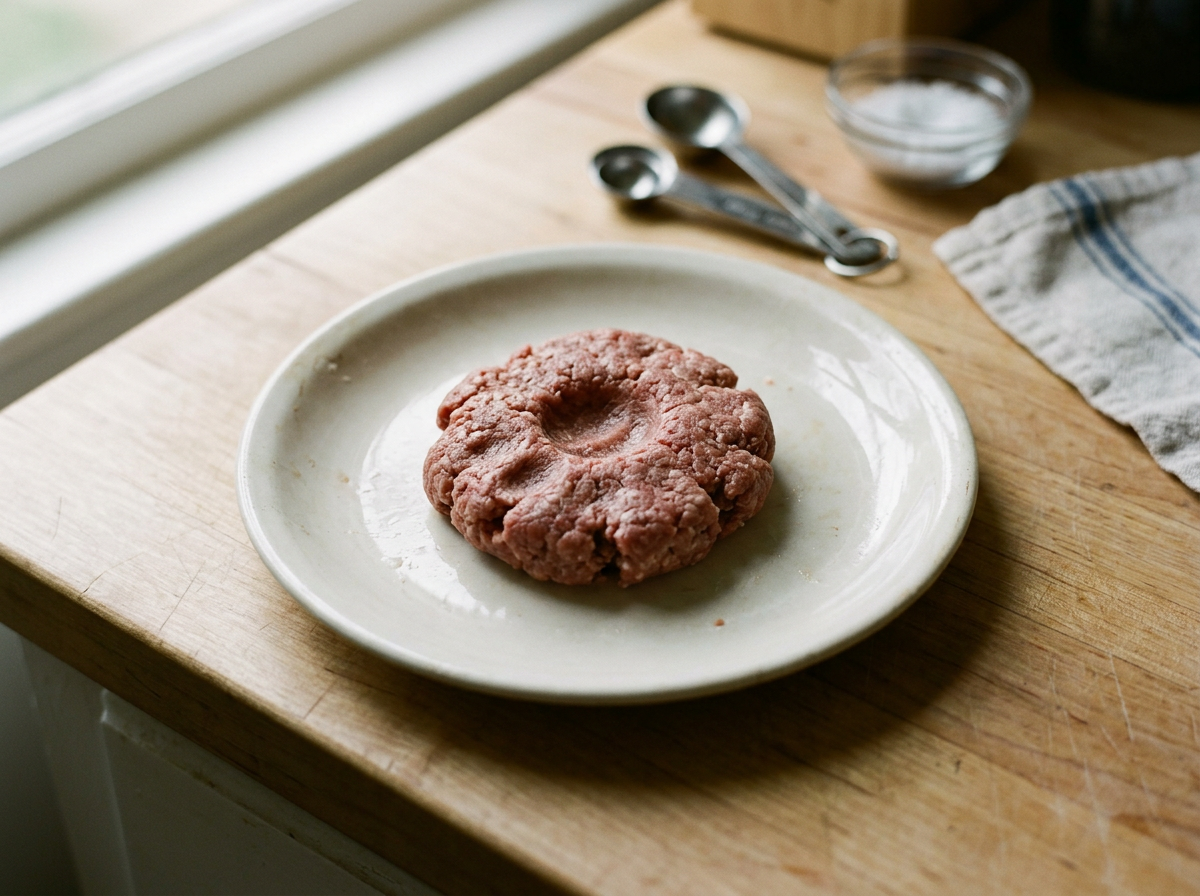
Ground beef shrinks. A fat center will rise as it cooks, and you will be staring at a meat dome that will be too small for the bun. Two fixes we use every day, same as a dimple in a 45:
Best method: a burger press. Consistent size, sealed edge, no guessing. Some even have the dimple built in. They make them with your favorite team on them if that helps you commit.
No press? Press a dimple in the center with your thumb. A dimple cuts shrinkage and cooking time. Think of it as the hole in the record. The song plays better.
And the line that belongs in lights above the grill: make the patty fit the bread. Nobody wants to eat a lot of bun. Size the raw patty a touch larger than the bun, because it will take a bow as it cooks. We shot a whole short on that. It still surprises people.
Smash Detective vs. the pub patty
Two different pictures. We run both now because guests asked for smash versions of the big numbers, and smash has been popular. Just know which movie you walked into.
A smash wants a crust. A pub patty leans juicy and measures a real temperature. Smash is faster and usually lands well-done. Pub takes longer and lets you cook to medium if that is how you eat. The Lone Ranger can live on either side of the tracks. The Marriage of the Century wants the pub build. Don’t send Marilyn out in a thin costume unless you mean it.
Here are some of the basics of each:
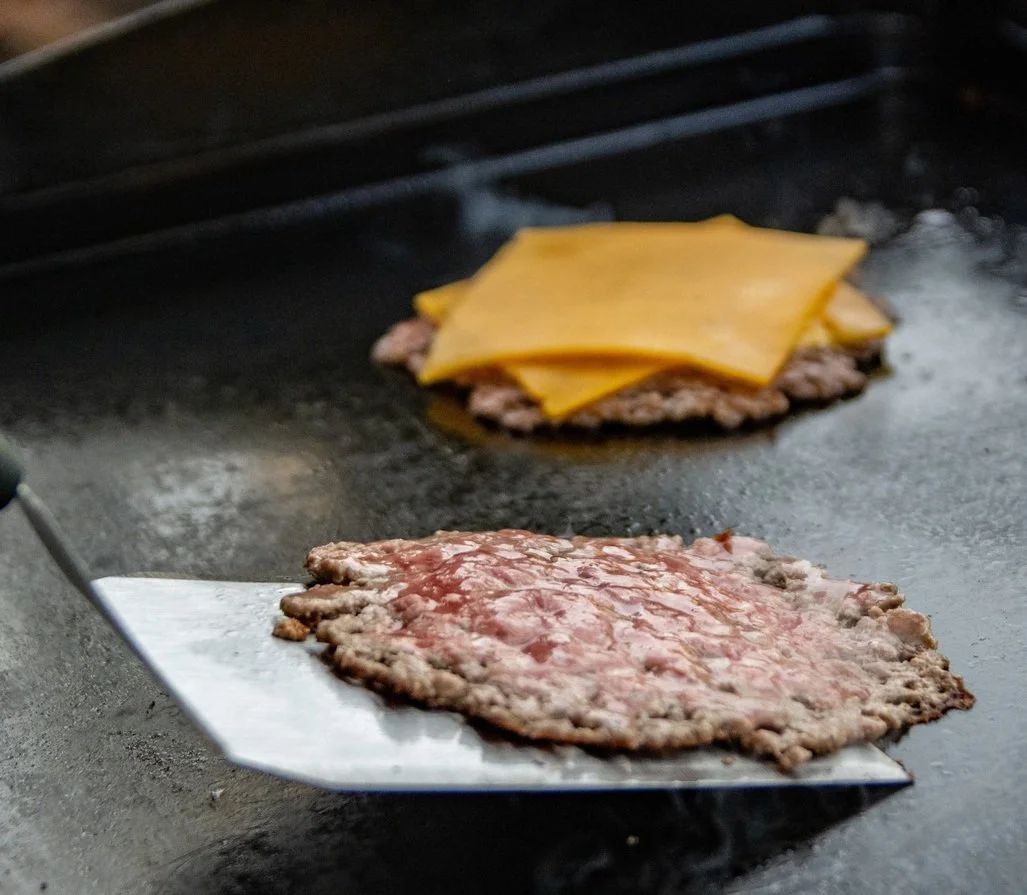
SMASH DETECTIVE
How you form it: Ball, then smash flat on a hot surface
Tool: Press or two spatulas
Temp control: Hard to control; cooks well
Classic move: Lots of raw onion under the smash
On our menu: The “Smash” Detective — American, sautéed onions, pickles, chipotle
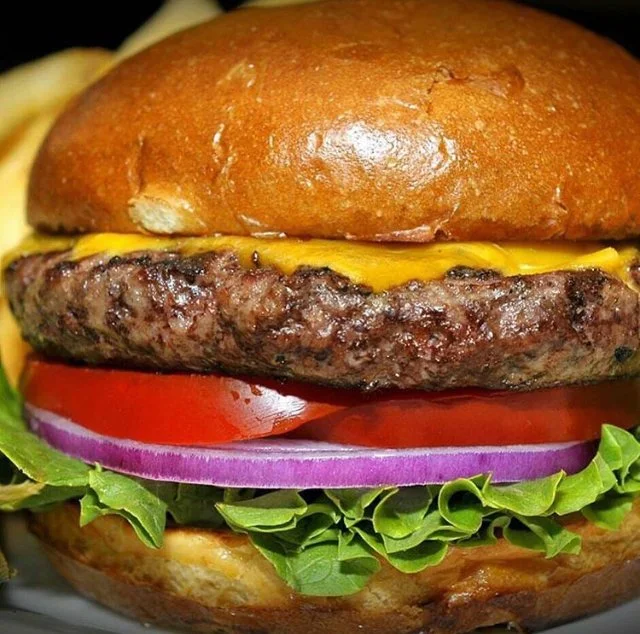
PUB PATTY
How you form it: Formed from a ball, kept thicker
Tool: Burger press or hands + dimple
Temp control: Takes longer; you can hit different temps
Classic move: Season the outside, keep it flat
On our menu: Marriage of the Century, Joanie’s, Old Blue Eyes, The Mick
Cook it like you mean it
If it bleeds, it is medium-rare to medium. If the juice runs clear, you are in medium-well to well territory. ServSafe recommends 155°F or higher for ground beef. Here is the chart — no mystery, no mood lighting:
Temp
Rare — 125°F; cool center, red, red juice. Not our usual request.
Medium-rare — 135°F; dark pink, red juice
Medium — 145°F; pink to dark pink
Medium-well — 155°F; pink, with clear juice. The safe line.
Well — 165°F; may have pink mottling, juice runs clear
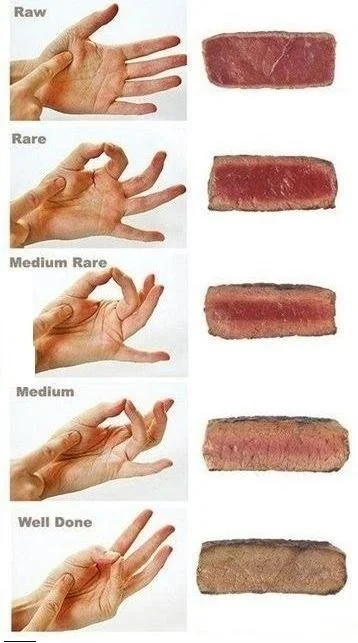
No thermometer? No problem. Use the touch method, aka “The Finger Test.” Cooked meat feels like the muscle tightness at the base of your thumb. Practice it on a slow Tuesday. Your hand is always with you, same as a good nickname.
Raw / Open Hand: Keep your hand open and relaxed. Touch the fleshy area just below your thumb. It feels very soft with no resistance, matching raw meat.
Rare (125°F): Touch your thumb lightly to your index finger. Press the base of your thumb. It feels soft with slight resistance.
Medium-Rare (135°F): Touch your thumb to your middle finger. The pad feels firmer with moderate resistance.
Medium (145°F): Touch your thumb to your ring finger. The pad feels quite firm.
Well-Done (165°F): Touch your thumb to your pinky finger. The base of your thumb feels very hard and tight
3. The Bun, the Stack, and Why Ava Gardner Would Send It Back
You can nail the meat and the patty and still lose the picture at the bun. We have watched it happen in competition and on a lunch rush. The bun is half the burger. The stack is what the guest sees before they taste anything. People eat with their eyes. Ava’s Gardner Salad did not get named after a screen siren so we could send out a sloppy plate.
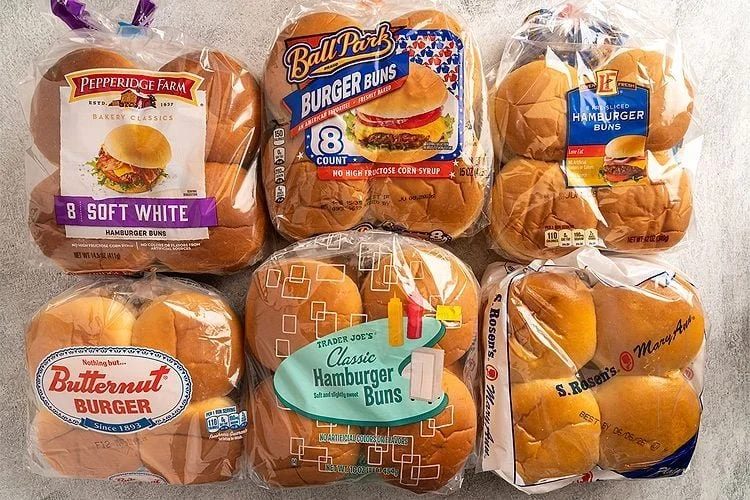
Not every bun is made the same
Different sizes. Different materials. In Cooking Tip, Part 2 I said we choose buns for five things: taste, looks, size, durability, and moisture control. That list has not changed. Slap a burger on a cheap bun, and it flattens from the weight (or juice). A durable bun matters when you are stacking pulled bacon, onion rings, and a sweet-and-spicy sauce. Size matters just as much. The bun has to match the patty you built, not the other way around.
Protect the bun on purpose
“No one likes a soggy bun.” We put it on a slide. We should have put it in neon.
Wet toppings against naked bread is how a championship burger turns into a sponge. Three defenses that actually work:
Put the garden — lettuce and friends — where it can act like a raincoat. Bottom garden is a classic for a reason.
Use a slice of unmelted cheese as a barrier. Ike would approve. He likes cheese.
Think about wet versus dry before you stack, not after the plate is already sliding toward the window.
Four ways to stack the picture
Top garden
Bottom garden
Hybrid top and bottom
None — The Mick can handle a cleaner frame
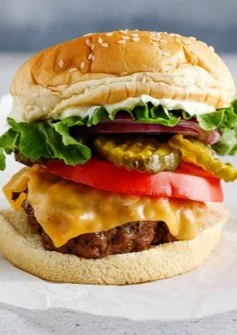
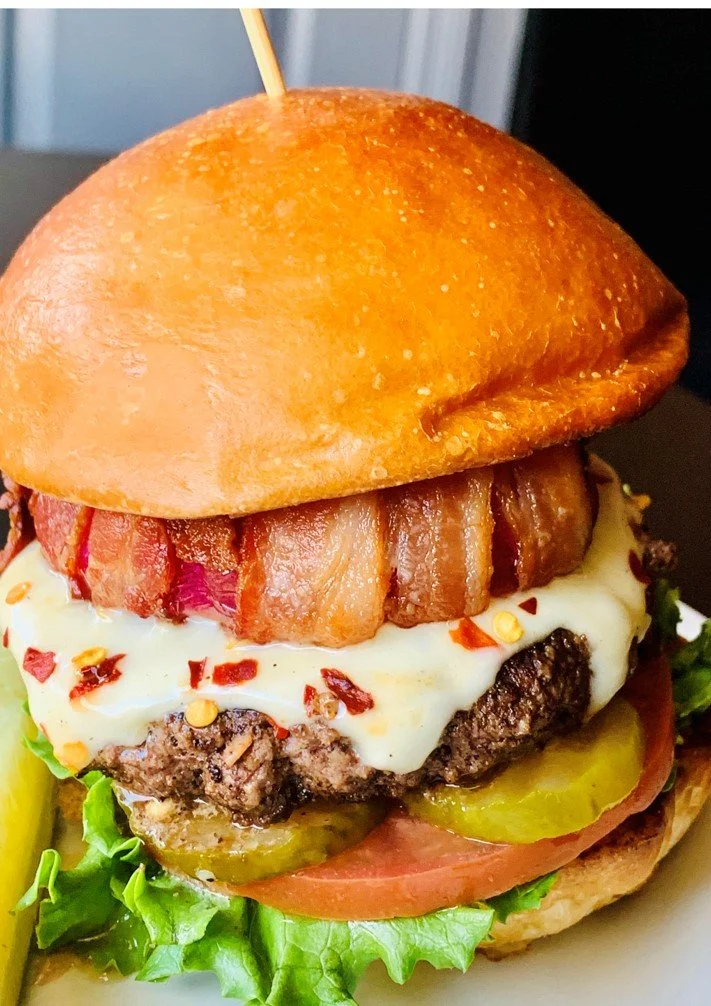
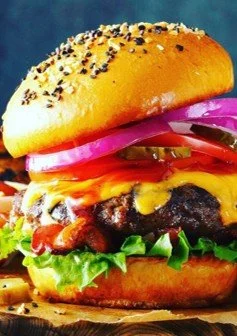
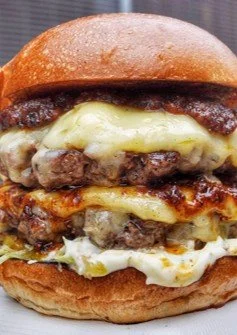
Placement is not decoration. Most people never ask whether the toppings belong on the bottom of the bun or the top of the patty. That is the whole lesson in Cooking Tip, Part 3. Wet stuff up top or behind a barrier. Dry crunch where it stays crunchy. Colors where the eye can find them.
Do not be messy. If two plates come out and one looks like it survived a hot-rod wreck, guests pick the pretty one every time. In class I ask students to put two burgers side by side and ask which one you would rather eat. Nobody picks the sloppy one. Line up the bun. Melt the cheese where it should melt. Let the sauce drip on purpose — not by accident. A dill pickle spear on the plate is not garnish for garnish’s sake. It is the last frame. Same as every combo that leaves the window.
4. The Five Senses of Taste (Or, How a Burger Goes Pow)
Here is the tip that went through the roof on our YouTube channel. Not because the camera work is fancy. Because once you hear it, you start tasting burgers differently. Including the ones you make at home.
Whenever you build a burger, try to put five senses of taste in the number: salty, sour, sweet, spicy, and savory — umami, if you want the chef word. Get at least three. Five is better. Keep them subtle so they do not overpower each other. A burger is a vocal group, not a solo that overpowers the rest. Remember, the patty is the lead. Everything else has to stay in the groove.

How the menu already does this
You do not have to invent a new burger. Walk the board.
The Mick — salt from the bacon, sweet-and-tangy from the BBQ, savory from the cheese. An All-American that knows the steps.
Old Blue Eyes — salty from bacon, savory blue cheese, and spicy mayo. Ol’ Blue Eyes never sang just one note.
Joanie’s — spicy pimento, salty bacon, sweet Thousand Island. Sweet, heat, cream, crunch.
Mary Jane’s — bacon jam is sweet-salty-savory in one. That is cheating, in the best way.
Drive-In Crack Burger — bacon, cheddar, sour cream, ranch in the patty, then jam, jalapeños, fried onions. That is all five, riding around in a convertible.
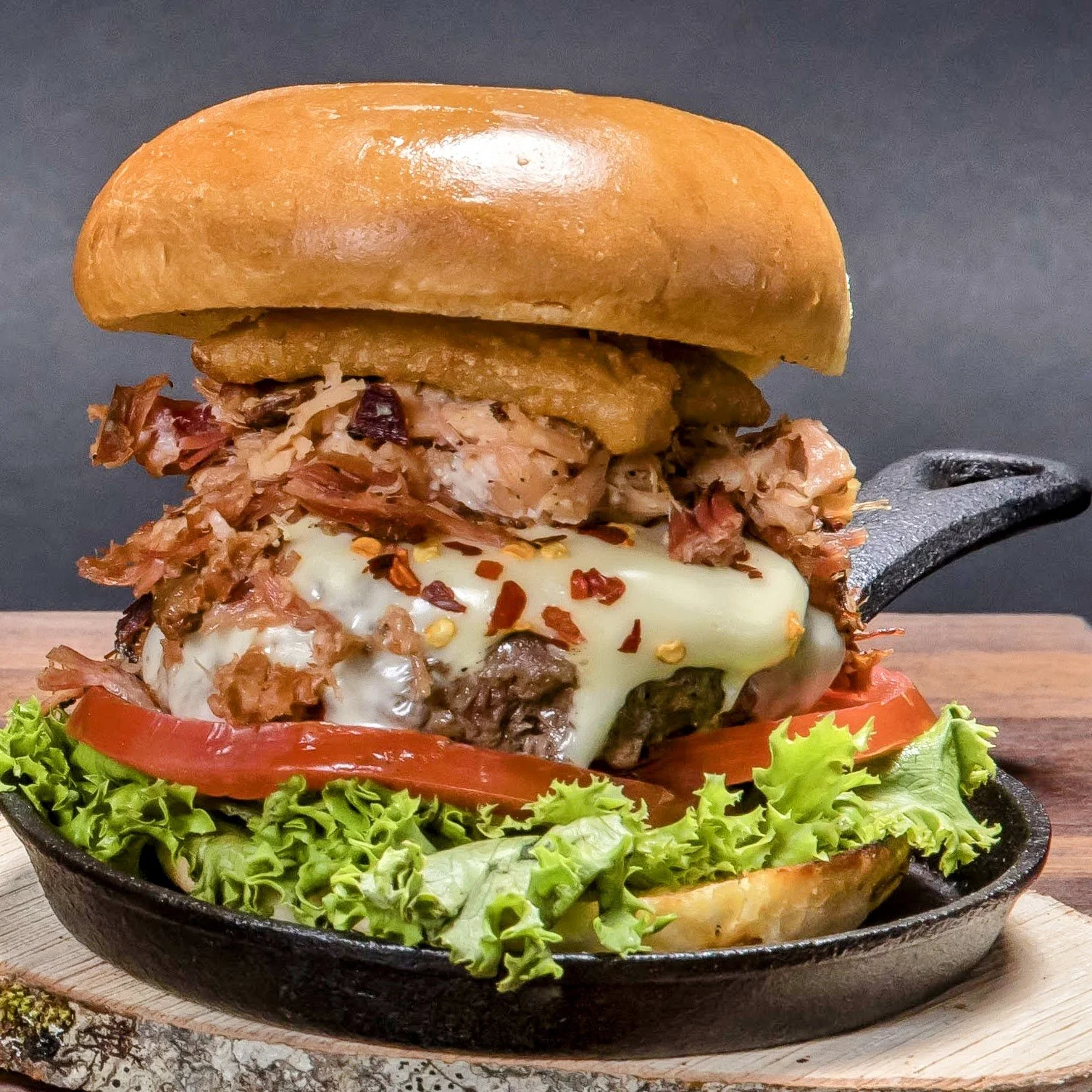
Marriage of the Century — pepper jack heat, pulled-bacon savory and salty, onion-ring crunch, sweet-and-spicy sauce, garden acid. Marilyn Monroe weds Joltin Joe—a marriage made in heaven.
If you are writing your own number, think about the final goal:
Jalapeño burger — add a sweet/salty sauce.
Breakfast burger — add a spicy/savory sauce. Audrey already knows that eggs love a little heat.
Muenster cheeseburger — known to be salty. Add sweet/spicy.
Bacon cheeseburger — ketchup and mustard fit the bill, but it’s even better with sweet and spicy chipotle sauce.
Remember, subtle does not mean boring. It means the cayenne does not shout down the brown sugar, and the pickle does not wipe out the cheese. When guests describe the Marriage of the Century, they do not say “I tasted onion.” They say the whole thing hit. Ask the plate the same five questions before it leaves the board: where is the salt, where is the acid, where is the sweet, where is the heat, and where is the savory. If two boxes are empty, you still have work to do.
5. Sauce It Up, Joanie
Sauces are where home cooks either become dangerous or become legends. You have the meat, the patty, the bun, the stack, and the five senses. This is how you lock the last two or three senses in place without turning the burger into a hot mess.
The house rules from Sauce Making 101
DO use a preservative when mixing oils with fresh herbs. Do not just dump herbs in oil and hope. That is how a swell idea turns into a science project.
DON’T be afraid to experiment. Zuko did not get a sandwich named after him by playing it safe.
DON’T be afraid to use premade. A good mayo is a blank canvas. A bottle of ketchup is not cheating.
Let’s look at some basic sauces. Ketchup has a misguided reputation as a kiddy condiment. It already has body, sweetness, acid, umami, and roast. That is why it is a good base note to start with when mixing. Mustard brings bite and can help emulsify. Yellow is sharp. Dijon is softer because of the wine. Coarse-grain has texture but is a weaker emulsifier. Mayonnaise — and when we say mayo, we do not mean Miracle Whip (YUCK!!) — is not there to be the loudest singer. Its strength is creaminess and oil. That fattiness is the backbone that lets garlic, hot sauce, and lemon actually taste like something.
And subtle changes can make a huge difference in your sauce. Try making ketchup and experiment with the basic ingredients. I promise you will never buy store-bought ever again.
White vinegar versus apple cider versus balsamic.
White sugar versus brown versus molasses versus honey.
Cayenne versus chipotle versus chili powder. Same skeleton. Different picture.
(Note: Garlic math for the home kitchen - ⅛ teaspoon garlic powder per clove, ½ teaspoon garlic flakes per clove, or ¼ teaspoon granulated garlic per clove.)
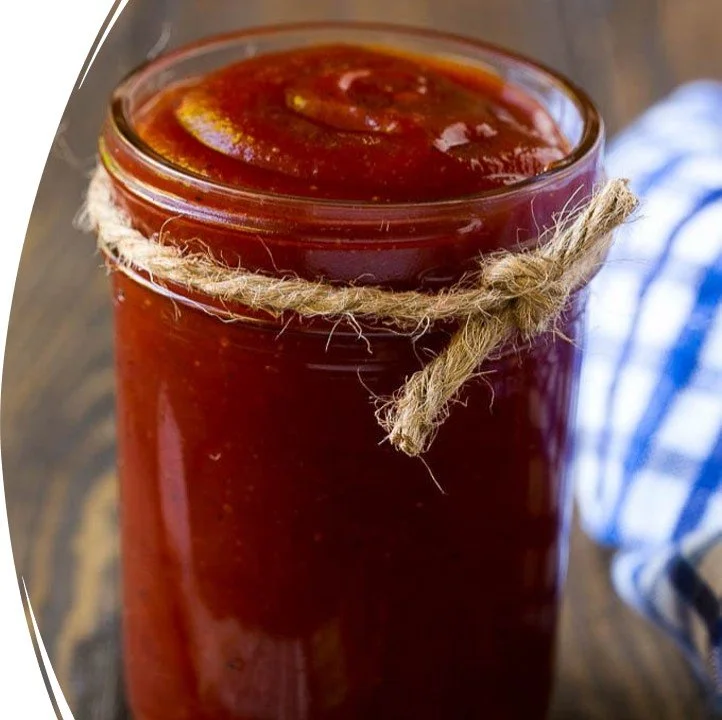
Homemade ketchup — the quiet star
12 oz tomato paste
1¼ cup water
½ cup vinegar
½ cup brown sugar
1 Tbsp onion powder
1 Tbsp garlic powder
1 tsp Worcestershire sauce
1 tsp salt
¼ tsp allspice
⅛ tsp ground clove
⅛ tsp cayenne pepper
Combine, stir until blended, seal it, and refrigerate for at least 4 hours. Want it smokier? Chipotle instead of cayenne. Want it brighter? Apple cider vinegar. That is the whole game. Let it sit. Good ketchup, like a good nickname, needs a night to settle.
Spicy garlic aioli — the one that makes people ask
About 1 to 1½ cups mayo
2 cloves garlic, minced
3 Tbsp hot sauce (Texas Pete or Frank’s)
1 Tbsp lemon juice
1 tsp paprika
2 Tbsp sweetener
Mix, salt and pepper to taste, park it in an airtight container in the fridge. This is the kind of sauce that turns Ike’s simple cheddar situation into something people talk about in the parking lot.
Put sauce in the food, not just on it
That is how you get house pimento cheese — Joanie’s whole personality in a bowl: ⅓ cup mayonnaise, 2 cups grated sharp cheddar cheese, half an 8-ounce block of cream cheese, 3 tablespoons diced pimentos, 2 teaspoons grated onion, pepper to taste. Ranch or a creamy Italian can stand in as a substitute. Puree the onion if the raw bite is too much. Fine dice if you want it to disappear into the mix.
Mary Jane’s bacon jam is the same idea wearing a leather jacket. Fun with bacon jam is not a joke title on our channel. It is a warning.
The Picture That Won the Prize
In 2018 the Pit Crew took this whole reel — meat, patty, bun, stack, five senses, sauce — to the World Burger Championship. One of the three burgers we built was the Marriage of the Century, named after Joltin’ Joe's 1954 marriage to Marilyn Monroe. True “Marriage of the Century” material. We were not going to put that kind of headline on a sad little patty. It is still on the menu. Come try to find Joe and Marilyn on the wall while you wait. That is the other half of the Pit Crew challenge.
If you want to taste the homework instead of doing the homework, that is the one.
Watch Us Cook
We did not just write this down. We filmed it, same kitchen, same ugly aprons.
Meat and 80/20 — Cooking Tip Part 1: youtube.com/watch?v=WeJ8yoUthxE
Buns, size, durability — Part 2: youtube.com/watch?v=r7ytQhypgWU
Topping placement, wet vs. dry — Part 3: youtube.com/watch?v=pHWYB3CDa9s
The five senses of taste: youtube.com/watch?v=8-wZh9a1p0Q
Common mistakes — season, size the patty, keep it flat: youtube.com/watch?v=_bncD53dx7M
Make the patty fit the bread: youtube.com/shorts/kwId4dRXxH4
Creating sauces: youtube.com/shorts/IOXVJZUs2tk
Fun with bacon jam: youtube.com/shorts/nqlzAUbdAxI
Same kitchen on TikTok @kirbygs_diner and Facebook at KirbyG’s Diner. If the Smash Detective has been living in your head since that feedback video, you already know: pub patties are thicker and easier to cook to temperature. Smash patties come down in size and usually cook past medium. Pick your picture.
See You on Macon Street
You can chase all of this at home. We hope you do. Tag us when the dimple works and when the ketchup needs another night in the icebox. We also hope you bring the finished product’s better-looking cousin down to 45 Macon Street and let the Pit Crew cook one for you.
Smash or third-pound pub. Drive-In Crack Burger. Joanie’s spicy pimento. Mary Jane’s bacon jam. Old Blue Eyes, black and blue. The Mick with the BBQ on the side. Ike, who would like some cheese. Vivien’s Veggie Burger, if you are walking the other side of the street. Or the Marriage of the Century, still wearing the title belt.
Hand-spun shakes. Crispy fries. Desi’s fried dill pickles if you need a warm-up act. Trivia with on Thursdays. Live music on Fridays. Karaoke on Wednesdays if you are feeling brave. The neon is on. The grill is hot. The Fifties never tasted better.
With love, laughter, and extra pickles,
Neil & Erica · KirbyG’s Diner & Pub
45 Macon St, McDonough, GA · kirbygs.com · 678-583-8777 · @KirbyGsDiner
